
As the demand for efficient manufacturing processes increases, the importance of accurate monitoring continues to rise. The Hydraulic Pressure Monitoring Port plays a crucial role in hydraulic systems, providing vital data for safety and efficiency. According to a recent market report, the hydraulic monitoring sector is projected to grow at a compound annual growth rate (CAGR) of 5.2% from 2023 to 2028.
However, selecting the best Hydraulic Pressure Monitoring Port is not straightforward. Buyers face a myriad of options, each with specific features and specifications. Challenges can arise regarding compatibility and precision in high-stakes environments. Industry experts recommend evaluating current technologies critically. Understanding the specific needs of your operation can provide insights into optimal port selection.
Furthermore, considering the sophisticated nature of hydraulic systems, knowledge gaps can exist. Many buyers may not fully understand the implications of exact pressure monitoring. It is essential to weigh the benefits of advanced monitoring systems against cost factors. Investing in the right Hydraulic Pressure Monitoring Port can lead to substantial long-term efficiencies and safer operations.
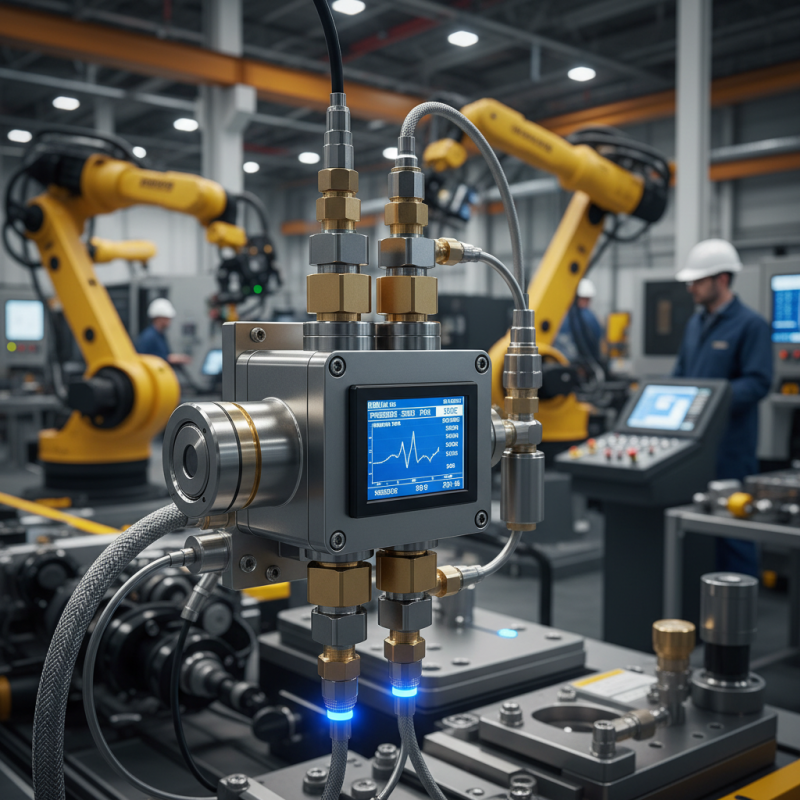
Hydraulic pressure monitoring ports play a crucial role in many industries. They are essential for ensuring safe and efficient operation in hydraulic systems. Poor monitoring can lead to significant failures and safety hazards. According to a report by MarketsandMarkets, the global market for hydraulic monitoring systems is projected to grow by 8% annually until 2026. This highlights their increasing importance.
In hydraulic systems, accuracy is vital. Pressure monitoring ports provide real-time data. This involves recording pressure levels and allowing for timely adjustments. The wrong pressure can compromise system integrity. Effective monitoring can also enable predictive maintenance, reducing operational downtime. In fact, the failure to monitor pressure levels could result in losses as high as 20% in operational efficiency.
Tip: Regularly inspect hydraulic pressure monitoring ports. Check for any signs of wear or damage. This simple maintenance step can prevent larger issues.
Another aspect to consider is environmental conditions. Extreme temperatures and exposure to chemicals can affect pressure readings. Therefore, choosing the right materials for monitoring ports is critical. Industry standards suggest using corrosion-resistant materials when working in harsh environments. This choice reduces the risk of inaccurate readings. Remember, even minor fluctuations in pressure can lead to major consequences.
Tip: Keep calibration records for all monitoring points. Consistent calibration is key to reliable data accuracy.
When choosing a hydraulic pressure monitoring port, several key features warrant attention.
Accuracy in measurement is crucial. Look for ports that provide reliable data within tight tolerances.
A good port will have low hysteresis to minimize measurement errors.
Durability is another important aspect. Ports should withstand harsh conditions. Corrosion resistance is essential for longevity.
Materials like stainless steel can enhance durability. Ensure that the port can handle the maximum pressure range of your application.
It is vital to avoid leaks, which could lead to equipment failures and safety hazards.
Tips: Always check compatibility with your existing system. This helps prevent installation issues. Additionally, consider ease of maintenance.
Ports that require less frequent servicing can save time and costs. Don't overlook the importance of manufacturer support and documentation.
Having reliable information can assist during installation and troubleshooting.
As the demand for hydraulic pressure monitoring ports grows, several manufacturers are emerging as leaders in the 2026 market. Accurate pressure measurement is crucial for industrial applications, ensuring safety and efficiency. Recent reports indicate that the hydraulic monitoring equipment market is expected to expand steadily, with a projected CAGR of 5.2% over the next five years. This growth highlights the need for reliable and precise monitoring solutions.
Key manufacturers focus on innovation and technology to improve product reliability. Advanced sensors are being integrated, offering better performance in harsh environments. However, challenges remain. Some manufacturers still struggle with calibration issues, which can lead to inaccurate readings. As industries increasingly depend on data-driven decision-making, the reliability of these monitoring ports must be consistent. According to industry analysts, there is a significant demand for ports that can withstand extreme temperatures and pressures, but not all companies have adapted to these requirements.
In an ideal scenario, manufacturers would invest more in R&D to tackle existing limitations. It is essential for them to address the variability in quality and performance that sometimes undermines user confidence. A focus on standardization can help ensure that all products meet the highest safety standards. As the market evolves, staying attuned to user feedback and industry needs will be paramount for manufacturers looking to establish their presence in this competitive landscape.
| Model | Pressure Range (psi) | Material | Connection Type | Temperature Range (°C) | Application |
|---|---|---|---|---|---|
| HP-1000 | 0-5000 | Stainless Steel | NPT | -20 to 85 | Industrial Machinery |
| HP-2000 | 0-10000 | Aluminum | SAE | -40 to 100 | Aerospace |
| HP-3000 | 0-15000 | Bronze | Flanged | -30 to 90 | Construction Equipment |
| HP-4000 | 0-20000 | PVC | Threaded | 0 to 75 | Hydraulic Systems |
| HP-5000 | 0-25000 | Carbon Steel | Welded | -20 to 120 | Marine Applications |
Hydraulic pressure monitoring ports are essential in various industries. They ensure the safety and efficiency of hydraulic systems. A comparative analysis reveals notable differences among popular models. Understanding these differences can help you make the right decision.
In many models, accuracy varies. Some offer digital displays, while others rely on analog gauges. Digital versions often provide better precision. Analog models may still be reliable but might require more frequent calibration. Buyers must consider the environment of use. For extreme conditions, the material of the monitoring port is crucial.
Tips: Regular inspection is critical. Check for leaks or wear regularly to ensure accuracy. Look for user reviews to gauge performance over time. When selecting a hydraulic pressure monitoring port, consider both features and user feedback. A model with a solid reputation may offer more long-term reliability.
Finally, ensure compatibility with your existing systems. Not all models fit perfectly with every setup. Investing time in research can save costly mistakes later. Consider all factors thoroughly before making a final choice.
The global market for hydraulic pressure monitoring ports is evolving rapidly. Industry reports indicate a growing demand driven by advancements in automation across various sectors. A recent analysis predicts a compound annual growth rate (CAGR) of around 5.6% from 2023 to 2026. This growth is likely influenced by the increasing need for precision in pressure measurement in hydraulic systems.
Pricing trends reveal significant variations across regions. For instance, North America is witnessing a steady surge in prices, attributed to the high adoption of advanced technology. Conversely, the Asia-Pacific market is more competitive, with prices remaining lower due to numerous local manufacturers. Reports suggest that the average price for hydraulic pressure monitoring ports ranges from $20 to $100, depending on specifications. Customers must consider features like durability and accuracy when making decisions.
Data from various studies highlights that about 30% of existing users express dissatisfaction with the durability of their current products. This gap in quality may lead buyers to rethink their choices. Effective monitoring can prevent costly failures. Hence, investing in superior hydraulic monitoring ports is essential for long-term operational efficiency.
: They are devices that monitor pressure in hydraulic systems. They ensure safety and efficiency across industries.
Digital models provide better precision and easier reading. Analog models might need more frequent calibration.
The material of the monitoring port is crucial. It must withstand extreme conditions for reliable performance.
Regular checks can reveal leaks or wear. This helps maintain accuracy and prevent system failures over time.
Reviews can provide insights into long-term performance. Look for models with solid reputations for reliability.
No, not all models are a perfect fit. Compatibility is key to avoid costly mistakes during installation.
The market is growing, with a CAGR of about 5.6% from 2023 to 2026, driven by automation needs.
Prices range from $20 to $100. North America has higher prices, while the Asia-Pacific market is more competitive.
About 30% of users report issues with durability. This signals a need for better quality monitoring ports.
Quality ports enhance operational efficiency. They help avoid costly failures and ensure smoother operations in hydraulic systems.
The article titled "2026 Best Hydraulic Pressure Monitoring Port for Global Buyers?" offers a comprehensive overview of hydraulic pressure monitoring ports, emphasizing their critical role in ensuring efficient and safe operations in various industries. It outlines the key features that buyers should consider, such as pressure range, material durability, and compatibility with different systems.
Additionally, the article presents a comparative analysis of popular hydraulic pressure monitoring port models, highlighting their strengths and weaknesses. It also discusses global market trends, including pricing strategies and demand forecasts for 2026. By understanding these elements, buyers can make informed decisions when selecting the optimal hydraulic pressure monitoring port for their specific needs.

TM Hydraulic