
What is Hydraulic Pressure Gauge Connection and Its Benefits?

Time:2026-03-30 Author:Mason
0%

Hydraulic Pressure Gauge Connection plays a crucial role in various industrial applications. According to John Smith, a leading expert in hydraulic systems, “The efficiency of your hydraulic system directly depends on accurate pressure measurements.” This underscores the importance of a reliable connection for gauges in hydraulic systems.

These connections ensure readings are precise, which can prevent equipment failures and enhance performance. Proper installation contributes to the longevity of the machinery. However, many overlook the significance of a secure Hydraulic Pressure Gauge Connection, potentially leading to inaccuracies. It is essential to comprehend the risks involved and the need for regular inspections and maintenance.

In an industry where precision matters, finding the right connections is key. Ensuring they are free from leaks and wear can save costs in the long run. While these connections seem straightforward, they require careful attention to detail for optimal functionality. A thoughtful approach is needed to foster reliability in hydraulic systems.
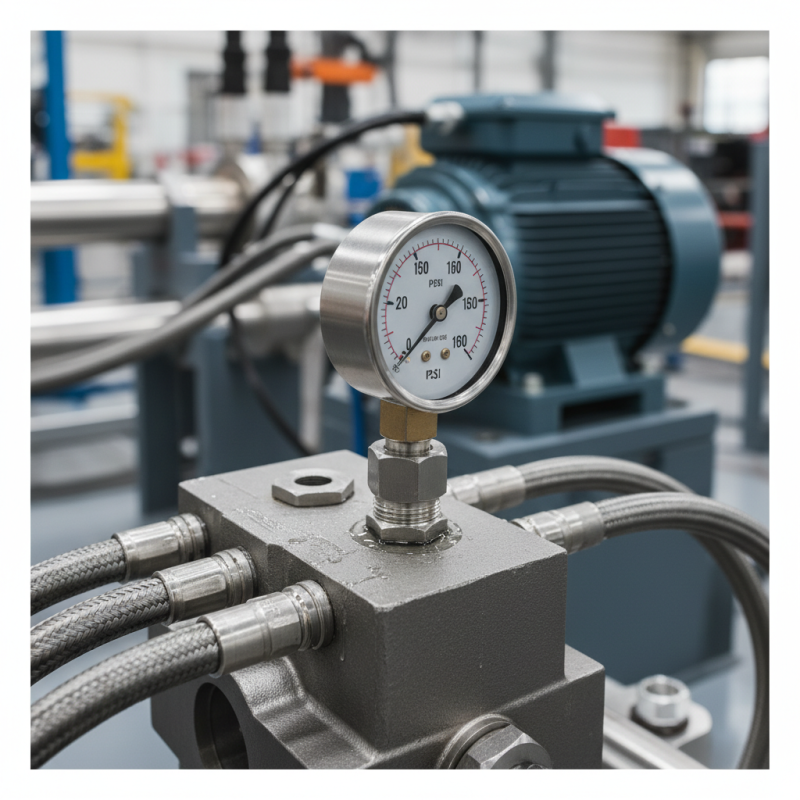
What is Hydraulic Pressure Gauge Connection and Its Benefits?

Understanding Hydraulic Pressure Gauge Connections

Hydraulic pressure gauge connections are vital in many hydraulic systems. They allow operators to measure and monitor fluid pressure effectively. Understanding these connections can lead to enhanced system performance and safety.

A properly installed pressure gauge connection ensures accurate readings. It reduces inaccuracies caused by leaks or misalignment. This is crucial for machinery that relies heavily on pressure for effective operation. Regular checks on these connections can aid in early detection of potential issues.

Tip: Ensure all connections are secure and free from contaminants. This simple check can prevent malfunction and save costs in the long run.

Choosing the right gauge and fitting is essential. Not all connections are compatible with every system. Mismatched components may lead to pressure loss or gauge failure. Consult with industry professionals for guidance on proper selections. Always prioritize quality over cost to prevent future complications.

Tip: Consider the environment where the gauge will be used. Harsh conditions may require more robust connections to ensure reliability.

Components of Hydraulic Pressure Gauge Systems

Hydraulic pressure gauge systems consist of several critical components. These include the gauge itself, tubing, fittings, and connectors. The gauge measures the pressure of hydraulic fluid. The tubing securely transports that fluid to the gauge. Properly chosen fittings ensure a leak-free connection. Each component plays a vital role in ensuring accurate readings.

Choosing the right materials is essential. For instance, brass is a common choice for fittings due to its durability. However, it can corrode under certain conditions. Regular inspection of these components is crucial. Users must be vigilant for signs of wear or degradation. A worn component can lead to inaccurate measurements, which might compromise safety.

Moreover, the layout of the components can affect performance. Tight bends in tubing can create pressure drops. If not addressed, this can lead to incorrect readings. Understanding these nuances can aid in maintaining the system's integrity. Users may find that small adjustments lead to significant improvements. Forming a strong grasp of these elements enhances operational reliability.

Benefits of Using Hydraulic Pressure Gauges in Various Applications

Hydraulic pressure gauges play a vital role in various applications across industries. These gauges measure the pressure of hydraulic fluids, ensuring safe and efficient system operation. Accurate readings are essential for equipment longevity. They help prevent system failures caused by overpressure or underpressure situations.

Using hydraulic pressure gauges enhances workflow efficiency. They provide immediate feedback on system performance. Operators can make quick adjustments, reducing downtime. A well-functioning pressure gauge aids in troubleshooting. It pinpoint issues before they escalate, saving both time and resources.

In industries like manufacturing and construction, the reliability of these gauges is crucial. They offer essential data for machinery operation and maintenance. However, not all gauges are created equal. Factors like installation errors or calibration issues can lead to inaccurate readings. Regular maintenance checks can improve reliability and performance.

Maintenance and Calibration of Hydraulic Pressure Gauges

Hydraulic pressure gauges are critical tools in various industrial applications. Regular maintenance and calibration ensure their accuracy and reliability. Over time, environmental factors can impact gauge readings. Dust, temperature fluctuations, and vibration may cause these instruments to drift from their calibrated state.

Calibration involves adjusting the gauge to align with a known standard. This process should be performed periodically to maintain precision. Gauge calibration helps prevent over-pressurization or under-pressurization in hydraulic systems. A malfunctioning gauge can lead to equipment failure, downtime, and even safety hazards.

Maintaining hydraulic gauges requires more than just calibration. Inspecting for physical damage, leaks, or wear is crucial. Personnel must be trained to handle these gauges properly. Regular logkeeping, including each adjustment made, fosters accountability. This documentation can also help identify patterns over time. In manufacturing, small deviations may accumulate and lead to significant issues.

Common Issues and Troubleshooting Hydraulic Gauge Connections

Hydraulic gauge connections play a crucial role in monitoring system performance. However, they are not without challenges. Common issues often arise from leaks, improper fittings, or corrosion. According to industry reports, nearly 30% of hydraulic system failures are traceable to gauge connection problems. These failures can result in costly downtime and maintenance.

When troubleshooting gauge connections, assessing the fittings is essential. Ensure they are tight and properly aligned. Leaks can lead to inaccurate readings, affecting overall system efficiency. Additionally, regular maintenance can prevent the build-up of contaminants that may cause pipeline corrosion. Reports indicate that routine checks can extend the lifespan of hydraulic gauges significantly.

In conclusion, while hydraulic gauge connections are vital, they require attention to detail. Common faults should be swiftly diagnosed and addressed. By focusing on these connections' upkeep, operators can improve safety and system reliability, ultimately reducing unexpected breakdowns.

FAQS

: Why are hydraulic pressure gauge connections important?

: They enable effective measurement and monitoring of fluid pressure, enhancing system performance and safety.

How can I ensure accurate pressure gauge readings?

Proper installation of connections is essential. Regular checks for leaks and misalignment can improve accuracy.

What materials should I consider for hydraulic fittings?

Brass is durable but may corrode. Regular inspections are necessary to identify wear and ensure safe operation.

How does the layout of components affect hydraulic systems?

Tight bends in tubing can create pressure drops, leading to inaccurate readings. Small adjustments can enhance performance.

Why is calibration important for hydraulic gauges?

It ensures the gauge aligns with a known standard, preventing over- or under-pressurization in systems.

What should I look for when maintaining my hydraulic gauge?

Inspect for physical damage, leaks, and wear regularly. Proper handling and documentation of adjustments are crucial.

How often should I check my hydraulic pressure gauge?

Periodic checks are recommended. Environmental factors like dust and temperature can impact gauge accuracy over time.

Can wrong connections lead to issues in hydraulic systems?

Yes, mismatched components may result in pressure loss or gauge failure, compromising system reliability.

How do harsh environments affect pressure gauge connections?

They may require more robust connections to ensure reliability and consistent performance under challenging conditions.

Is it necessary to consult professionals when selecting components?

Yes, seeking expert guidance prevents complications due to incompatible or low-quality components in hydraulic systems.

Conclusion

Hydraulic Pressure Gauge Connection is a vital aspect of hydraulic systems, ensuring accurate monitoring and control of pressure levels. By understanding these connections, one can appreciate the specific components that make up hydraulic pressure gauge systems, including fittings and flexible hoses that facilitate fluid transmission. Utilizing hydraulic pressure gauges offers significant benefits across various applications, such as enhanced safety, improved operational efficiency, and the ability to monitor system performance effectively.

Regular maintenance and calibration of hydraulic pressure gauges are crucial to ensuring their reliability and accuracy. Common issues, such as leaks or pressure discrepancies, can arise, but with proper troubleshooting techniques, operators can quickly resolve these problems to maintain optimal functionality. In summary, the effective use of Hydraulic Pressure Gauge Connections plays a critical role in the efficient operation of hydraulic systems, making it essential for technical personnel to be well-versed in its components and maintenance practices.

Mason

Mason

Mason is a seasoned marketing professional with a deep expertise in the company's offerings and a passion for driving brand awareness. With a strong background in digital marketing strategies, he has an innate ability to connect with diverse audiences and effectively communicate product benefits.......